








Kroger Acquires Giant Eagle in $1.65B Grocery Expansion Deal
Kroger Strengthens U.S. Grocery Leadership With Giant Eagle Acquisition U.S. retail giant Kroger has announced plans to acquire regional grocery and pharmacy chain Giant Eagle in a deal valued at...

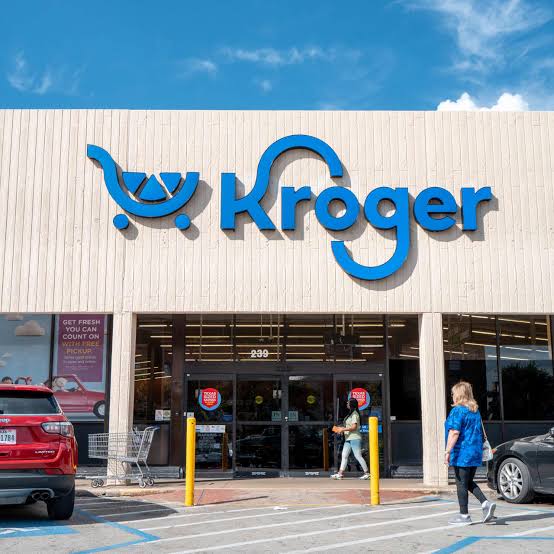
Kroger Strengthens U.S. Grocery Leadership With Giant Eagle Acquisition
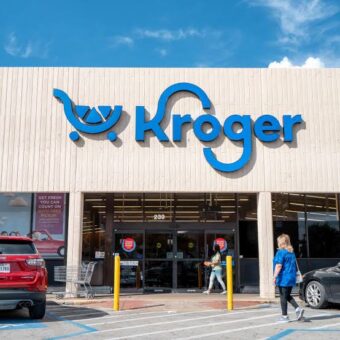
U.S. retail giant Kroger has announced plans to acquire regional grocery and pharmacy chain Giant Eagle in a deal valued at approximately $1.66 billion, marking a significant step in the company’s strategy to expand its presence across key American markets.
Table Of Content
- Kroger Strengthens U.S. Grocery Leadership With Giant Eagle Acquisition
- Deal Structure: Cash Payment and Liability Assumption
- Giant Eagle’s Market Presence and Operations
- Kroger’s National Retail Dominance
- Strategic Rationale Behind the Acquisition
- Industry Context: Rising Consolidation in U.S. Retail
- Failed Kroger–Albertsons Merger: A Key Backdrop
- Market Reaction and Investor Sentiment
- Analyst Perspective: “A Strategic Gateway Expansion”
- Regulatory Outlook and Approval Process
- Impact on Consumers and Local Markets
- Conclusion
- FAQs
The acquisition highlights ongoing consolidation in the U.S. grocery sector as major retailers compete for market share amid changing consumer behavior, rising inflation pressures, and intensifying competition from global retail giants.
Under the terms of the agreement, Giant Eagle stores will continue to operate under their existing brand name, preserving customer loyalty and regional identity while benefiting from Kroger’s scale and operational efficiency.
Deal Structure: Cash Payment and Liability Assumption
The transaction is structured as a combination of cash payment and liability assumption. According to the companies:
- $1.27 billion will be paid in cash
- Approximately $400 million in outstanding liabilities will be assumed by Kroger
This brings the total valuation of the deal to $1.66 billion.
The agreement remains subject to regulatory approval and is expected to close next year, pending compliance with competition and antitrust requirements.
Both companies have indicated that certain store divestitures may be required to secure regulatory clearance, a common condition in large retail mergers.
Giant Eagle’s Market Presence and Operations
Giant Eagle is a privately held regional grocery and pharmacy retailer with a strong presence in the Mid-Atlantic and Midwest regions of the United States.
The company operates:
- 197 supermarkets
- 11 standalone pharmacies
Its stores are located across:
- Northern Ohio
- Western Pennsylvania
- West Virginia
- Maryland
- Indiana
Giant Eagle has built a strong reputation for fresh food offerings, private-label products, pharmacy services, and customer loyalty programs, making it a valuable strategic addition to Kroger’s portfolio.
Kroger’s National Retail Dominance
Kroger is the largest supermarket chain in the United States, operating approximately:
- 2,686 stores
- Across 34 states and the District of Columbia
Its retail brands include well-known names such as:
- Ralphs
- King Soopers
- Smith’s
- Fred Meyer
The company has built a diversified grocery ecosystem that includes supermarkets, pharmacies, fuel centers, and e-commerce platforms, positioning it as one of the most influential players in U.S. food retail.
With this acquisition, Kroger further strengthens its scale and geographic reach, particularly in regions where it previously had limited penetration.
Strategic Rationale Behind the Acquisition
Kroger stated that the acquisition aligns with its long-term strategy to expand into adjacent high-growth markets and strengthen its competitive position.
According to Kroger CEO Greg Foran, the deal represents a strong strategic fit.
He noted that Giant Eagle is a “well-run, high-quality regional grocer with a strong reputation in fresh products, pharmacy services, private label offerings, and customer loyalty.”
The acquisition is expected to enhance Kroger’s ability to:
- Expand regional footprint
- Improve supply chain efficiency
- Strengthen pharmacy and healthcare services
- Increase private-label product penetration
- Enhance pricing competitiveness
Industry Context: Rising Consolidation in U.S. Retail
The grocery sector in the United States has experienced increasing consolidation over the past decade, driven by:
- Inflationary pressures
- Rising supply chain costs
- Shift toward e-commerce grocery shopping
- Competition from Walmart, Costco, Amazon, and Aldi
- Demand for private-label and discount offerings
Traditional supermarket chains are under pressure as consumers increasingly turn to value-driven retailers and online platforms for everyday essentials.
This has pushed companies like Kroger to pursue strategic acquisitions to maintain scale, efficiency, and pricing power.
Failed Kroger–Albertsons Merger: A Key Backdrop
The acquisition comes after Kroger’s attempted merger with rival Albertsons was blocked by regulators in 2024.
That proposed merger, initially announced in 2022, aimed to create a larger retail giant capable of competing with dominant players like Walmart and Amazon. However, it faced strong opposition from the Federal Trade Commission (FTC) and state regulators in Washington and Colorado.
Authorities argued that the merger could reduce competition, potentially leading to higher prices and lower wages.
After prolonged legal battles, the deal was ultimately abandoned in late 2024 following court rulings that halted its progress.
This failed merger has shaped Kroger’s current strategy, pushing it toward targeted acquisitions rather than large-scale consolidation.
Market Reaction and Investor Sentiment
Following the announcement, Kroger’s shares remained largely flat in trading, reflecting cautious investor sentiment.
While investors often view acquisitions as growth opportunities, they also consider:
- Integration risks
- Regulatory challenges
- Cost of restructuring
- Potential store divestitures
- Impact on short-term margins
Analysts suggest that while the deal strengthens Kroger’s long-term position, near-term financial impact will depend on how efficiently the integration process is executed.
Analyst Perspective: “A Strategic Gateway Expansion”
Industry analyst Burt Flickinger, Managing Director of Strategic Resource Group, described the acquisition as a “master stroke.”
According to Flickinger, the deal provides Kroger with a strategic gateway into:
- Mid-Atlantic U.S. markets
- Northeastern retail regions
- Potential expansion toward New England
He also noted that regulatory concerns may be limited compared to previous mega-mergers, although some store divestitures are still expected.
The overall sentiment among analysts is that the deal enhances Kroger’s geographic diversification and strengthens its competitive positioning against national retail giants.
Regulatory Outlook and Approval Process
The acquisition will undergo regulatory review, with scrutiny focused on:
- Market concentration in overlapping regions
- Impact on pricing and consumer choice
- Employment effects in affected markets
- Competitive balance in grocery retail
Kroger has acknowledged that it may need to divest select stores to meet regulatory requirements.
However, analysts believe the regional nature of Giant Eagle reduces the risk of significant antitrust challenges compared to larger national mergers.
Impact on Consumers and Local Markets
For consumers, the acquisition is expected to bring both continuity and gradual change.
In the short term:
- Giant Eagle stores will retain their branding
- Existing customer programs will remain active
- No immediate operational changes are expected
In the long term, customers may see:
- Expanded product variety
- Improved pricing through supply chain efficiencies
- Enhanced pharmacy services
- Integration of Kroger’s private-label offerings
Local employment structures are expected to remain stable, although operational optimization may occur over time.
Future Outlook: What Happens Next
The deal is expected to close next year, subject to regulatory approval. Once finalized, Kroger will begin the integration process while maintaining Giant Eagle’s brand identity.
Key next steps include:
- Regulatory clearance process
- Store portfolio evaluation
- Supply chain integration planning
- Technology and systems alignment
- Gradual operational consolidation
If successfully executed, the acquisition could significantly strengthen Kroger’s position in the U.S. grocery and pharmacy market over the next decade.
Conclusion
Kroger’s $1.65 billion acquisition of Giant Eagle marks a major milestone in the ongoing transformation of the U.S. grocery industry. As competition intensifies and consumer preferences evolve, large retailers are increasingly turning to strategic acquisitions to expand reach and strengthen efficiency.
The deal not only enhances Kroger’s regional footprint but also reflects broader industry trends toward consolidation, digital transformation, and pharmacy-driven retail expansion.
While regulatory approval and integration challenges remain, the acquisition positions Kroger for long-term growth in a highly competitive retail landscape.
FAQs
What is the value of Kroger’s acquisition of Giant Eagle?
The deal is valued at approximately $1.65 billion.
How is the deal structured?
It includes $1.25 billion in cash and $400 million in liabilities.
Will Giant Eagle stores change branding?
No, stores will continue operating under the Giant Eagle name.
When will the deal close?
It is expected to close next year, pending regulatory approval.
Why is Kroger acquiring Giant Eagle?
To expand its regional presence and strengthen competitiveness in the U.S. grocery market.




No Comment! Be the first one.