








Larry Ellison Cancels $7.5B Oracle Stock Sale Plan — What It Means for Investors
By Success Stories Media — Business Desk | September 14, 2026 Oracle co-founder and Executive Chairman Larry Ellison has walked back a plan that would have let him sell as much as $7.5 billion worth...

By Success Stories Media — Business Desk | September 14, 2026
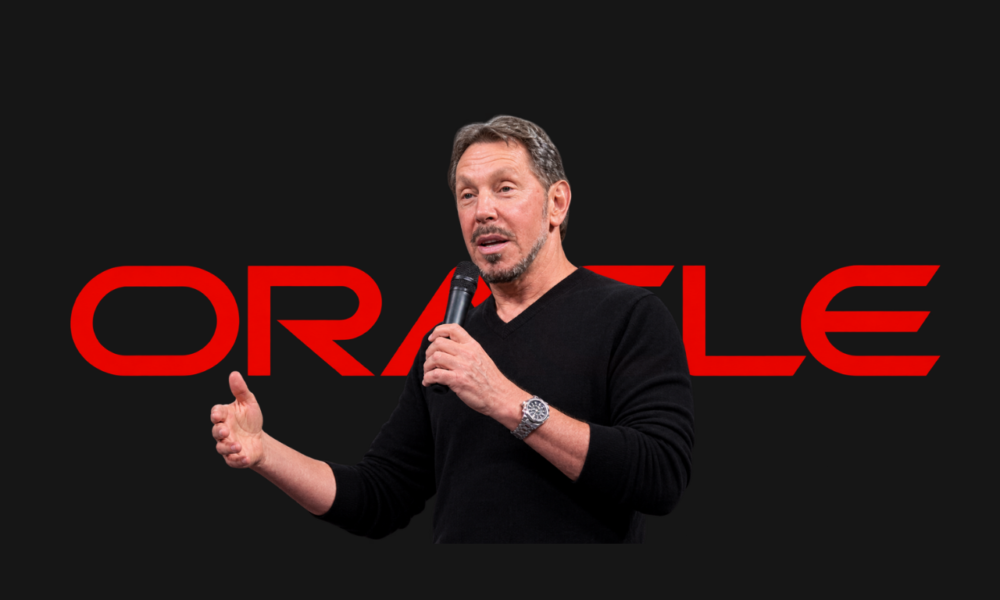
Oracle co-founder and Executive Chairman Larry Ellison has walked back a plan that would have let him sell as much as $7.5 billion worth of company stock, reversing course just a day after the arrangement became public.
Table Of Content
- By Success Stories Media — Business Desk | September 14, 2026
- What Actually Happened
- Why Everyone’s Watching Oracle Right Now
- Reading the Tea Leaves on Ellison’s Reversal
- Oracle’s Bigger Picture: Growth, Spending, and Restructuring All at Once
- What Investors Should Watch From Here
- Frequently Asked Questions
- Conclusion
Oracle confirmed the cancellation in a short statement on September 12, saying flatly that no shares had changed hands under the plan and that Ellison currently has no other intention of selling his stake. The about-face has drawn outsized attention on Wall Street, both for its size and its timing, coming as Oracle pours tens of billions of dollars into artificial intelligence infrastructure.
What Actually Happened
Ellison had put in place a Rule 10b5-1 trading plan on June 22, a legal mechanism that lets corporate insiders schedule stock sales in advance to avoid any appearance of trading on private information. As adopted, the plan would have permitted him to offload up to 50 million Oracle shares, roughly 38% of which he personally owns, by October 24.
Instead, the plan was scrapped before a single share moved. Oracle’s statement was brief and didn’t explain Ellison’s reasoning, a silence that has only fueled speculation among analysts and investors trying to read the signal.
Notably, 50 million shares were worth closer to $8.75 billion when the plan was first set up in June. By the time it was disclosed and then canceled in September, Oracle’s stock had slid enough that the same block was worth about $7.5 billion, a decline of roughly 16% over that stretch.
Why Everyone’s Watching Oracle Right Now
The timing matters. Oracle stock has dropped nearly 23% so far in 2026, even as the company reports blockbuster demand for its AI and cloud computing services. That tension, soaring demand paired with a falling share price, is the backdrop against which Ellison’s decision is being read.
A few numbers explain the disconnect:
- Oracle added more than $30 billion in new AI-related cloud contracts last quarter, pushing its total contracted revenue backlog to roughly $664 billion.
- The company raised its fiscal 2027 adjusted profit forecast to $8.10 per share.
- At the same time, Oracle is planning capital expenditures of $90 billion to $95 billion to build out data centers and AI capacity, spending so heavy that it’s producing negative free cash flow.
- To fund the buildout, Oracle expects to raise roughly $40 billion this fiscal year through a mix of debt and stock offerings, including a $20 billion equity raise already completed earlier in the year.
In short, investors are being asked to trust that today’s massive AI-driven spending will convert into tomorrow’s cash flow, and Oracle’s stock price has been reflecting real doubt about that bet.
Reading the Tea Leaves on Ellison’s Reversal
Ellison remains Oracle’s largest individual shareholder by a wide margin, holding a stake north of 38% of the company. Because his position is so large, any hint of a sale, even one authorized months in advance and never executed, tends to move sentiment.
Canceling the plan removes a potential 50-million-share overhang that the market would otherwise have had to absorb. Some investors are treating that as a quiet vote of confidence in Oracle’s AI-driven growth story, especially given how far the stock has fallen since June.
That said, market watchers caution against over-reading the move. Oracle has not said Ellison believes the stock is undervalued, and canceling a sale plan is not the same as signaling an intent to buy more shares. Insiders cancel or adjust 10b5-1 arrangements for all sorts of personal, tax, or estate-planning reasons that have nothing to do with a view on valuation.
Oracle’s Bigger Picture: Growth, Spending, and Restructuring All at Once
Ellison’s reversal lands amid a broader reshaping of Oracle’s business. The company recently posted quarterly earnings that beat expectations and lifted its full-year guidance, sending shares up nearly 8% intraday before the gains faded and the stock closed lower, a swing that captures just how divided investors are on the stock right now.
At the same time, Oracle disclosed that restructuring costs tied to an ongoing cost-cutting push, which includes job cuts, would rise by about $700 million, bringing the total projected cost of that program to roughly $2.8 billion for fiscal 2026.
Put together, Oracle is simultaneously:
- Signing record volumes of new AI infrastructure contracts
- Spending near-record sums to build the data centers those contracts require
- Raising debt and equity to help pay for that expansion
- Cutting costs and jobs elsewhere in the business
That combination is precisely why Ellison’s stock decision is being scrutinized so closely; it’s one of the few concrete signals available about how the company’s most important insider views this moment.
What Investors Should Watch From Here
Rather than trying to guess Ellison’s personal motivation, analysts suggest tracking the metrics that will actually determine whether Oracle’s AI bet pays off:
- Growth in Oracle Cloud Infrastructure (OCI) revenue
- New AI and cloud contract signings
- The size and growth of Oracle’s remaining performance obligations (its contracted backlog)
- Capital expenditure trends versus guidance
- Free cash flow, and how quickly it turns positive
- Total debt load and financing costs
- Pace of data center construction and capacity coming online
- Operating margins as the AI buildout scales
- How concentrated revenue is among a handful of large AI customers
Frequently Asked Questions
Did Larry Ellison sell any Oracle stock? No. Oracle confirmed that no shares were sold under the canceled trading plan.
How many shares could Ellison have sold, and what were they worth? Up to 50 million shares, valued at roughly $7.5 billion based on Oracle’s stock price in mid-September 2026.
Why did Ellison cancel the plan? Oracle has not given a reason. The company only confirmed the cancellation and said Ellison has no other current plans to sell.
Does this mean Ellison thinks Oracle stock is undervalued? Not necessarily. While some investors view it that way, Oracle hasn’t confirmed any specific motivation, and canceling a sale plan doesn’t equal a public prediction about the stock’s future.
How much of Oracle does Ellison own? More than 38% of the company, making him by far its largest individual shareholder.
Why has Oracle stock struggled in 2026 despite strong AI demand? Investors are weighing enormous capital spending commitments, negative free cash flow, and financing needs against the strength of Oracle’s AI and cloud contract pipeline.
Conclusion
Larry Ellison’s decision to cancel a $7.5 billion stock sale plan removes one source of potential selling pressure on Oracle shares, but it settles nothing about the company’s underlying challenge: converting a massive AI infrastructure buildout into durable profits and cash flow. With no explanation from Ellison or Oracle, investors are left to draw their own conclusions — while the company’s actual financial results in the coming quarters will ultimately decide whether this was a footnote or a turning point in Oracle’s AI story.




No Comment! Be the first one.