










Tech’s New Gold Rush: AI and SpaceX Wealth Sends Private Jet Sales Soaring
Tech’s New Gold Rush: AI and SpaceX Wealth Sends Private Jet Sales Soaring A fresh surge of paper wealth from Silicon Valley is spilling over into an unlikely market: private aviation. Between...

Tech’s New Gold Rush: AI and SpaceX Wealth Sends Private Jet Sales Soaring
Table Of Content
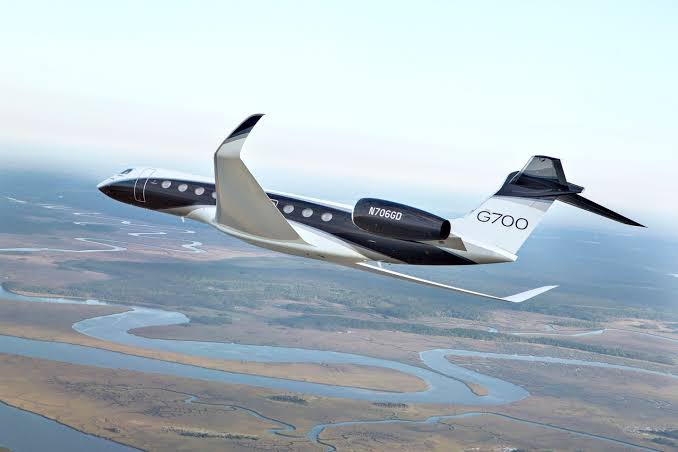
A fresh surge of paper wealth from Silicon Valley is spilling over into an unlikely market: private aviation. Between SpaceX’s blockbuster stock market debut and the rapid rise of AI startups, a new class of tech millionaires and billionaires is emerging and many of them are buying their way into the skies.
A Trillion-Dollar Trigger
SpaceX’s initial public offering was the immediate catalyst. Elon Musk’s rocket company raised a record-breaking sum, pushing its market value to roughly $2 trillion and instantly creating enormous wealth for founders, early employees, and investors. Because SpaceX also owns a stake in the AI firm xAI, the offering has fed broader optimism about artificial intelligence as an investment theme and fueled speculation that OpenAI and Anthropic could be next to go public, potentially minting another wave of newly rich tech workers.
That anticipation alone is already changing buying behavior. Some investors, confident that further payouts are all but guaranteed given sky-high private valuations, aren’t waiting for the next IPO to start spending.
Lawyers Buried in Paperwork
Nowhere is the shift more visible than in the offices of aviation attorneys. Cleveland-based lawyer Amanda Applegate, who runs Soar Aviation Law, canceled her vacation this year just to keep pace with a flood of aircraft purchase agreements. Her firm’s business is up around 25% in 2026, a jump she credits directly to newly liquid tech clients. She says the pool of people who can afford to fly privately seems to grow by the day.
A Younger Kind of Jet Owner
The customer profile is shifting too. Private aviation used to skew toward inherited wealth, longtime executives, and celebrities. Now, first-generation entrepreneurs many of whom made their fortunes through AI startups or stock options are entering the market at a noticeably younger age.
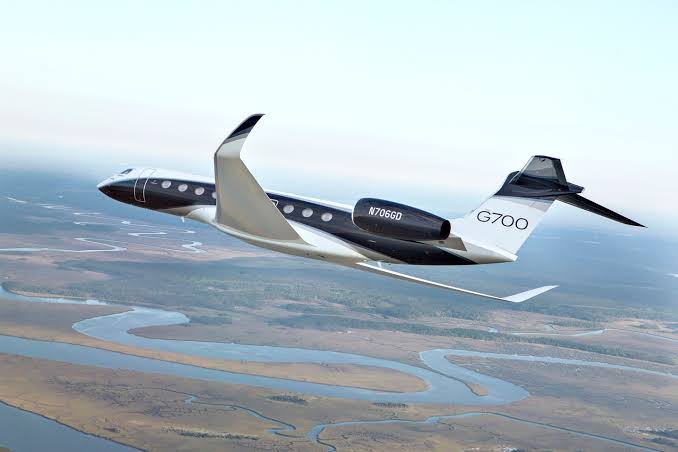
Most don’t start by buying a jet outright. Instead, they ease in through jet cards (prepaid flight hours) or fractional ownership, which splits the cost and upkeep of an aircraft among multiple owners. It’s a lower-commitment entry point that’s proving popular with this newer, less traditional buyer base.
The Numbers Behind the Boom
The data backs up the anecdotes. Globally, flights booked through fractional and shared-ownership programs climbed nearly 12% in the first five months of 2026 versus the same stretch last year. Flights by outright jet owners rose even more sharply, up over 13%, as existing owners fly more often and new buyers join the market. North America remains the largest private aviation market by far, helped along by travelers’ growing fatigue with delays and crowds at commercial airports.
Echoes of the Dot-Com Era
Analysts see a familiar pattern here. Big liquidity events IPOs, mergers, market rallies have historically translated into jet sales; business jet deliveries jumped roughly 24% during the dot-com boom. What’s different this time, industry watchers say, is speed: AI companies are reaching multi-billion-dollar valuations far faster than the tech firms of two decades ago, compressing years of wealth creation into a much shorter window.
Brokers Cashing In
One California-based aircraft broker described a striking shift in his own client base: technology buyers made up roughly a fifth of his business a decade ago; today it’s close to three-quarters. With inventory tight, sellers are commanding premium prices some jets sold just last year could now fetch 10% to 15% more. The broker said he’s already fielded interest from several SpaceX-linked clients hunting for aircraft in the wake of the IPO, many of them operating on the assumption that more money is on the way.
Where the Wealth Is Landing
Geography tells its own story. San Francisco home turf for OpenAI and Anthropic posted the fastest growth in business jet traffic of any major U.S. metro area in the first half of 2026, up about 11% year-over-year.
Texas has felt the SpaceX effect even more dramatically. Business jet traffic near Brownsville, close to SpaceX’s launch site, spiked roughly 177% during the IPO period as executives, suppliers, and newly wealthy staff shuttled in and out. San Antonio, Dallas, and Austin have also seen strong growth as tech firms continue relocating to the state.
Charter and Membership Operators See Record Growth
Charter and membership businesses are cashing in too. Jet Linx, which sells aircraft management and jet-card memberships, reported business up about 60% through May, with Texas leading the way. Mercury Jets said bookings from tech executives have grown by double digits this year, and notably the company is now hearing from people who’d never considered private flying before the SpaceX IPO, many treating a charter flight as a low-stakes way to test the waters before committing to ownership.
What It Actually Costs
Flying private still isn’t cheap. Charter rates run from about $1,500 an hour for smaller aircraft up to roughly $18,500 for large luxury jets, while buying one outright typically costs anywhere from $6 million to $70 million before factoring in pilots, insurance, fuel, and maintenance. But for entrepreneurs sitting on eight- or nine-figure liquidity events, those numbers increasingly look like a rounding error rather than a stretch purchase.
Looking Ahead
If more AI companies follow SpaceX to the public markets as expected, industry analysts believe private aviation could be in for a multiyear run of growth in aircraft sales, charter bookings, memberships, and the maintenance and financing businesses that support them. The customer base is getting younger and more global in the process, less defined by inherited fortune and more by the speed of the AI boom itself. As one of tech’s oldest wealth-to-luxury patterns repeats itself, it’s reshaping who owns — and flies the private jets crisscrossing the country.







No Comment! Be the first one.